
Understanding What Determines WPC Plank Thickness
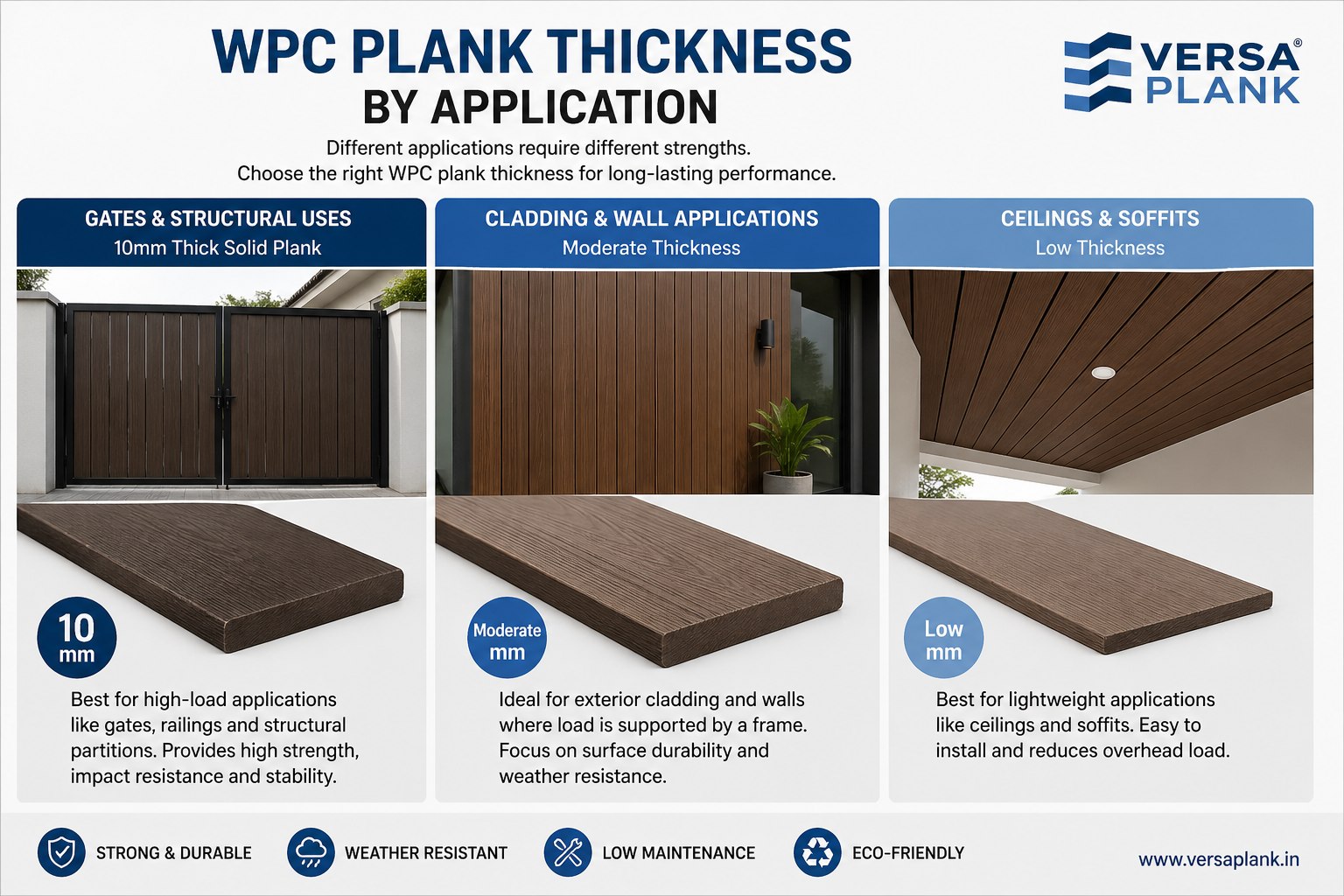
WPC plank thickness is selected based on load, span, and application type. Structural applications require higher strength, while surface applications prioritize stability and ease of installation.
Thickness Requirements for Gates and Structural Uses
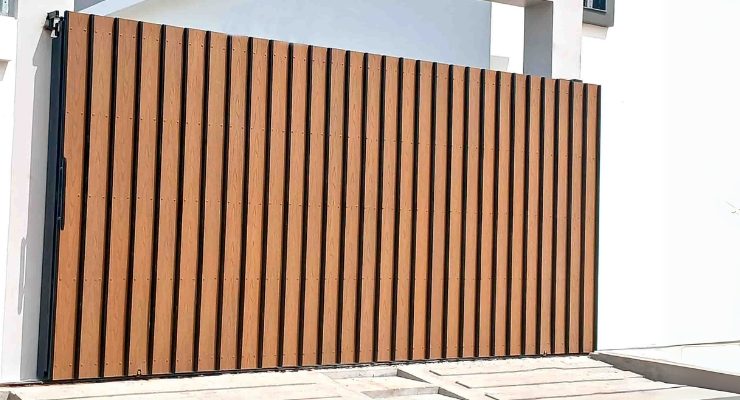
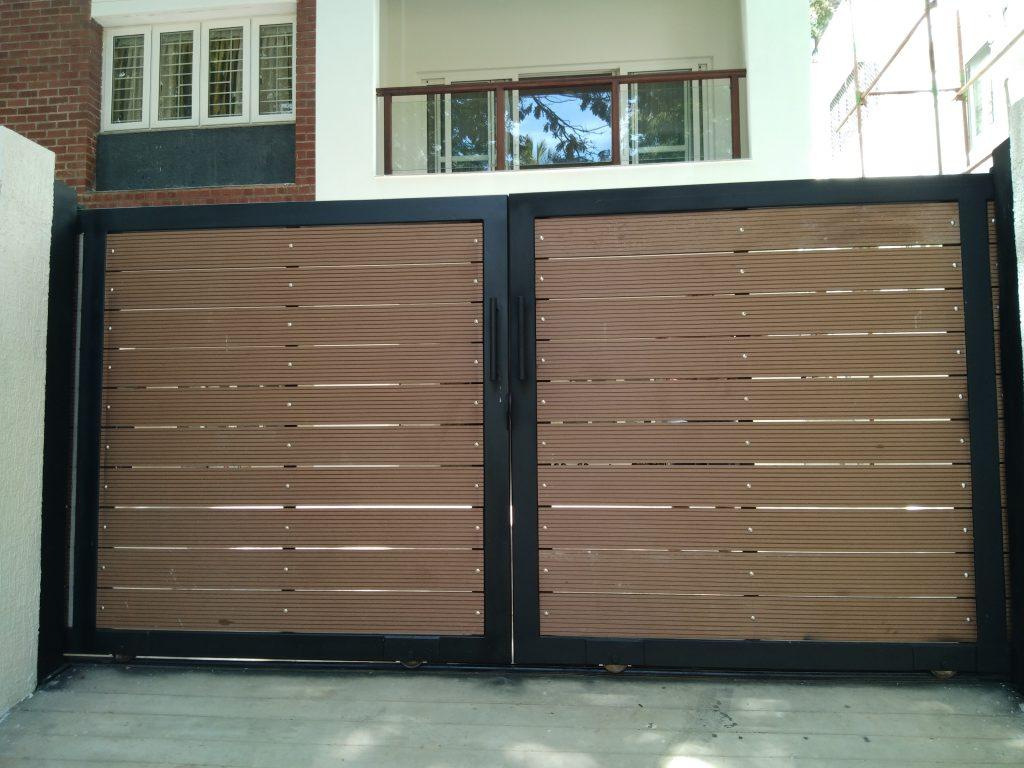
Thicker , solid-profile WPC planks are preferred for gates and structural applications because they provide higher rigidity and impact resistance.These applications depend on rigidity and long-term dimensional stability.
Choosing the Right Thickness for Cladding and Walls
Cladding applications typically use medium-thickness planks, as the load is supported by a frame. The focus is on surface consistency and resistance to environmental exposure rather than structural strength.
Lightweight Applications: Ceilings and Soffits
Ceilings and soffits benefit from thinner planks that are easier to install and reduce overhead load. These applications are primarily visual and do not require high structural strength.
What Happens When Thickness Selection Is Incorrect?
Incorrect thickness can result in bending, uneven alignment, or reduced lifespan. These issues usually arise from mismatching the material to the application rather than a failure of the material itself.
How Fabricators Approach Thickness Selection
Fabricators evaluate span, fixing methods, and expected load conditions before choosing the appropriate thickness. This ensures performance consistency across different installations.
Application-Based Thickness Usage in Real Projects
WPC planks are widely used across gates, cladding, partitions, ceilings, and screens. Each application demands a different balance between strength and flexibility
FAQ – Thickness of WPC Planks
What is the standard thickness of WPC planks?
WPC plank thickness is not fixed and varies based on application. Thicker planks are used for structural elements like gates, while medium or lighter profiles are used for cladding, ceilings, and partitions depending on load and support conditions.
Is thicker WPC plank always better?
Thicker WPC planks provide higher strength, but they are not always necessary. Choosing thickness depends on application requirements, and using thicker planks where not needed can increase cost and installation effort without added benefit.
Can thin WPC planks be used for outdoor applications?
Yes, thinner WPC planks can be used outdoors in applications like ceilings, soffits, and decorative panels. However, they should not be used for load-bearing structures such as gates or railings.
How does thickness affect the durability of WPC planks?
Durability is influenced by both material quality and thickness selection. Thicker planks perform better in high-stress applications, while thinner planks remain durable when used in low-load environments with proper installation.
What happens if the wrong thickness is used in a project?
Using incorrect thickness can lead to bending, instability, or uneven surfaces. These issues usually occur when the plank is not matched correctly to the application rather than due to a failure of the material itself.
How do fabricators decide the right thickness during installation?
Fabricators consider span, load conditions, and fixing methods before selecting plank thickness. This ensures the material performs reliably across different applications such as gates, cladding, and partitions.