
Why installation quality directly impacts WPC performance
Ignoring expansion gaps during installation
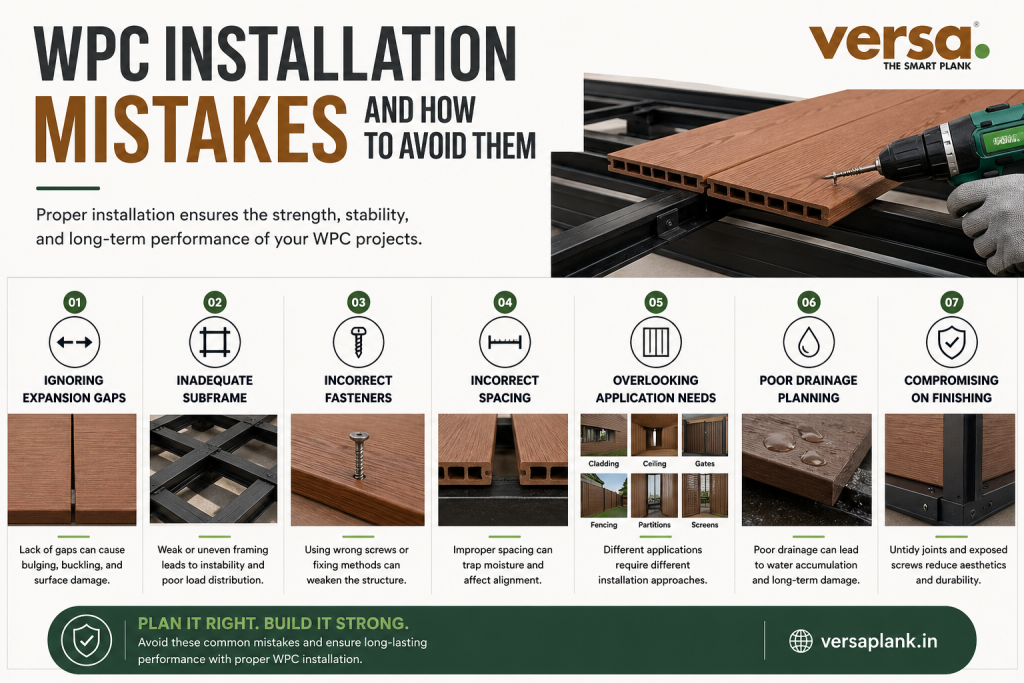
WPC expands and contracts slightly with temperature changes. When expansion gaps are not maintained, planks can press against each other, leading to surface bulging or alignment issues. Proper spacing allows the material to adjust naturally to environmental conditions.
Inadequate subframe and support structure
A stable subframe is essential for consistent performance. Uneven or poorly aligned support structures can result in surface irregularities, vibrations in movable elements like gates, and long-term instability. Proper framing ensures load is distributed evenly.
Using incorrect fasteners or fixing methods
Fastener selection plays a key role in structural stability. Using incompatible or low-quality fasteners can lead to weak grip, surface damage, or premature loosening. The fixing method should always match the application and expected load conditions.
Incorrect spacing between planks
Uniform spacing between planks is necessary for both performance and appearance. Insufficient spacing can trap moisture, increase thermal stress, and affect overall alignment. This becomes especially critical in exterior installations exposed to weather.Overlooking application-specific installation needs
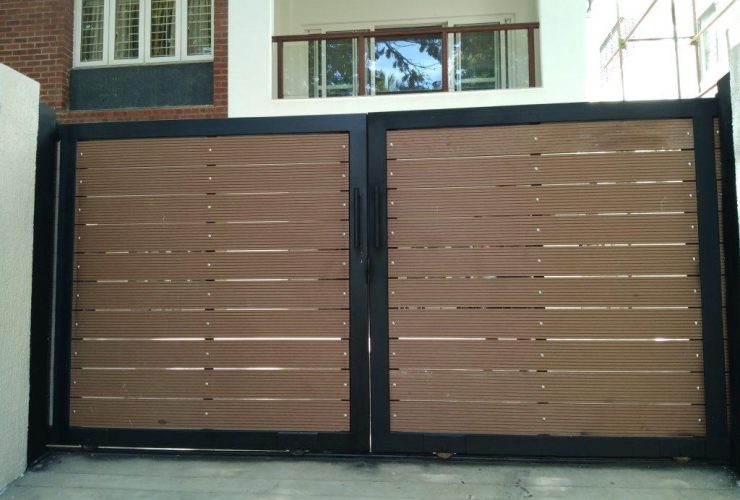
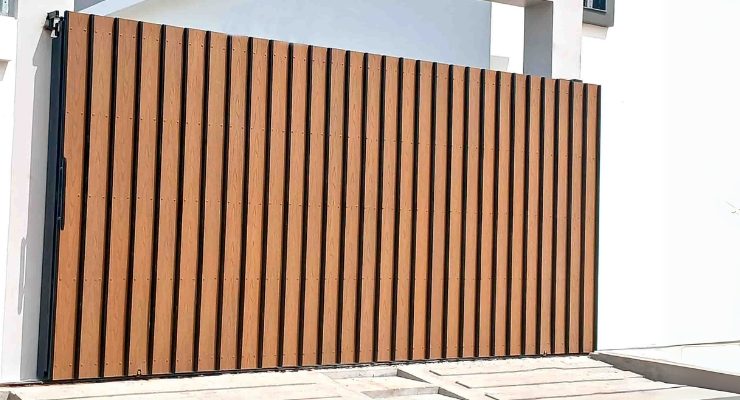
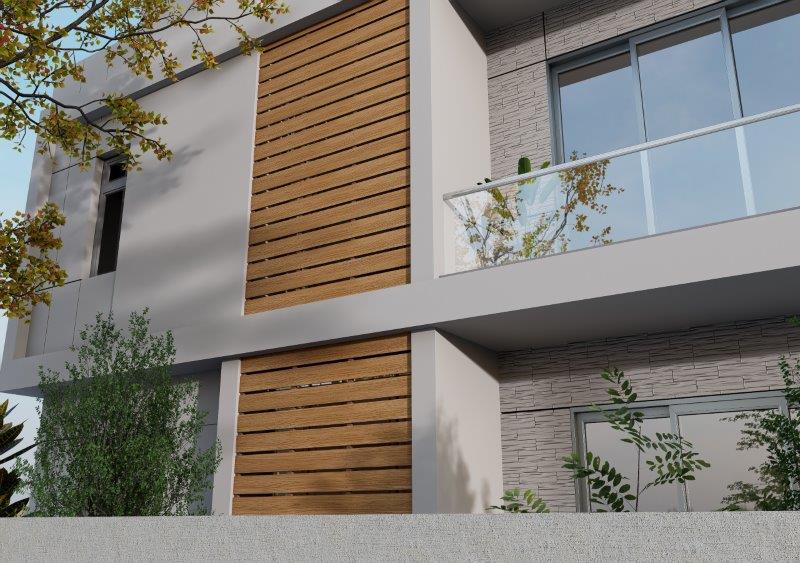
Different applications require different installation approaches. Gates, cladding, partitions, and ceilings each have unique load conditions and exposure levels. Applying a uniform installation method across all use cases can lead to performance issues over time
How installation errors affect long-term durability
Even though WPC is resistant to moisture, UV exposure, and environmental wear, incorrect installation can reduce its effectiveness. Issues like misalignment, stress buildup, and weak support can impact durability and visual consistency over time.
Best practices to ensure reliable WPC installationMost installation challenges can be avoided with proper planning and execution. Ensuring correct spacing, using appropriate fasteners, aligning the subframe accurately, and adapting installation methods to the application will help maintain long-term performance.
FAQ on common mistakes to avoid in WPC installation
What is the most common mistake in WPC installation?
The most common mistake is not maintaining proper expansion gaps. Without adequate spacing, planks may expand under heat, leading to bulging or misalignment over time.
Why is subframe alignment important in WPC installation?
A properly aligned subframe ensures even load distribution and surface stability. Poor alignment can lead to uneven panels, vibrations, and long-term structural issues.
Can WPC installation mistakes affect durability?
Yes. Even though WPC is designed for durability, incorrect installation can reduce structural performance and affect alignment, which may impact long-term results
What type of fasteners should be used for WPC planks?
Fasteners should be selected based on the application and load conditions. Using incompatible or low-quality fasteners can weaken the structure and reduce stability.
Why is spacing between WPC planks important?
Proper spacing allows for expansion, prevents moisture buildup, and ensures consistent alignment, especially in outdoor applications exposed to weather.
Do different WPC applications require different installation methods?
Yes. Installation approaches vary depending on whether the application is structural (like gates), surface-based (like cladding), or decorative (like ceilings)