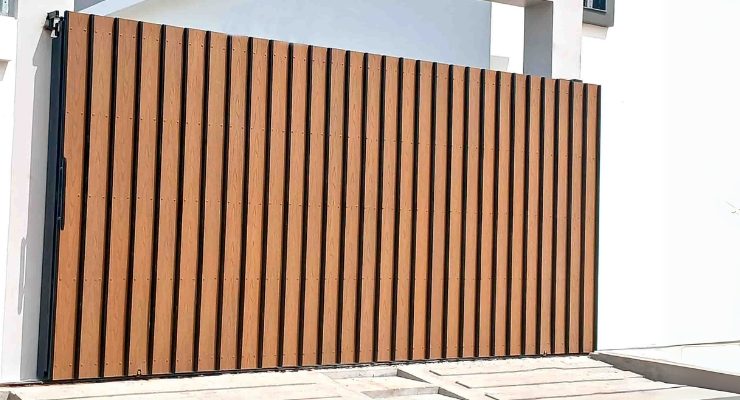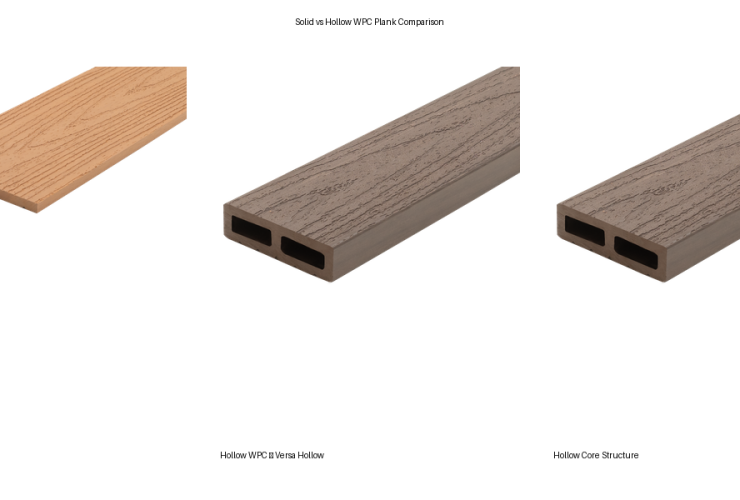

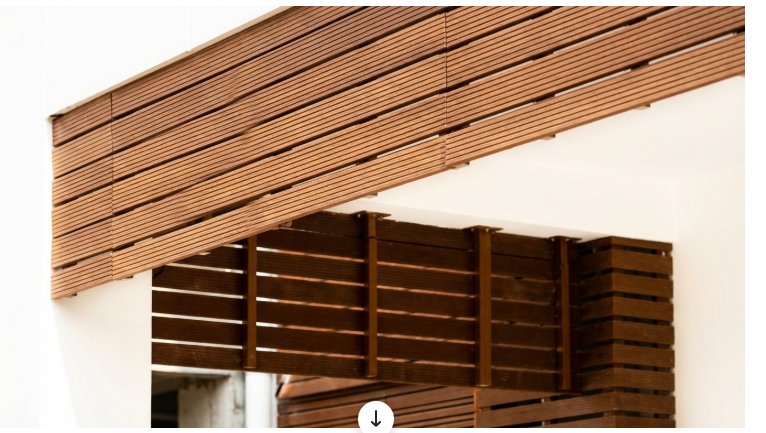
As temperatures continue to rise, architectural decisions must evolve to help homes and buildings stay naturally cooler. One of the most effective, yet often overlooked, exterior solutions is the use of ventilated façade planks—especially ventilated WPC planks from Versa, designed for hot, tropical climates.
This blog unpacks how ventilation, airflow, and material science together transform thermal comfort, energy savings, and the lifespan of exterior structures.
Why Ventilation Matters: The Science Behind It
Direct sunlight creates heat transfer — walls absorb heat, pass it inside rooms, and cause interiors to feel warmer by evening. A ventilated plank system introduces an air gap between the plank and the wall, allowing constant airflow that:
- Releases trapped heat instead of transferring it indoors
- Reduces wall temperature significantly during peak hours
- Prevents cracks and weakening of building surfaces
- Keeps external plank surfaces cool to the touch
Think of it like your home “breathing” instead of suffocating under heat.
How Versa Ventilated Planks Improve Thermal Comfort
Unlike PVC boards or metal sheets, Versa uses a heat-diffusing WPC composition that minimizes surface temperature buildup.
Key thermal performance advantages:
- Lower surface heat absorption than metal or PVC
- Stable dimensions—no softening, bending, or expansion
- UV-resistant colour protection to avoid sun fading
- Continuous ventilation reduces building temperature by natural convection
📌 This means a cooler interior environment and reduced dependence on air conditioning.
Installation That Enables Cooling
Ventilated planks must be installed using a raised mounting or batten system, creating sufficient airflow space.
| Installation Type | Cooling Benefit |
| Flush-mounted panel | 0% heat-escape efficiency |
| Raised ventilated plank system | Up to 50–60% better heat ventilation |
When combined with shade planning, balcony screens, or louvers, ventilated planks create micro-climates around the home—reducing glare, blocking UV, and adding privacy.
Ideal Applications Across Climate & Project Types
Ventilated WPC planks are engineered for environments that challenge exterior materials — including high UV exposure, humidity-heavy zones, dry-heat regions, and coastal air. Their airflow gap and thermal-diffusion design make them a smart specification for:
Architectural Use-Cases
- Building façade elevation systems
- Balcony privacy + airflow screens
- Sun-control louvers and shading fins
- Semi-open corridors, pergolas & outdoor spaces
Dealer / Distributor Commercial Value
- High-demand category in heat-heavy markets
- Zero-maintenance product = stronger lifetime value pitch
- Easier demo vs. wood/PVC because airflow benefit is visible
- Repeat business potential from builders & villa projects
Interested in stocking or specifying ventilated planks for your region? Request dealer terms, sample kits, or a specification guide.
Fabricator / Installer Fit
- Lightweight planks simplify onsite handling
- Batten-raised system enables easy ventilation spacing
- Works with standard tools—no special machinery required
- Fewer callbacks because of low warp / expansion risk
In short, ventilated WPC planks deliver thermal comfort, structural longevity, and commercial opportunity across multiple project formats—making them a future-proof material choice for industry professionals.
Bonus Benefit — Aesthetic + Functional Value
Ventilated planks offer clean lines, shadow depth, and a premium finish, enabling architects to balance beauty and performance.
They enhance:
- Property resale value
- Architectural look
- Day-to-day comfort
Conclusion
Ventilated planks aren’t just a design preference — they are a thermal performance upgrade for modern homes. Versa’s composite engineering + air-flow design ensures that buildings stay cooler, last longer, and require minimal maintenance.
👉 Planning a project in a heat-heavy climate?
Explore Versa ventilated plank solutions — engineered for tomorrow’s temperature realities.